
Value Engineering in Construction Cuts Costs, Not Quality
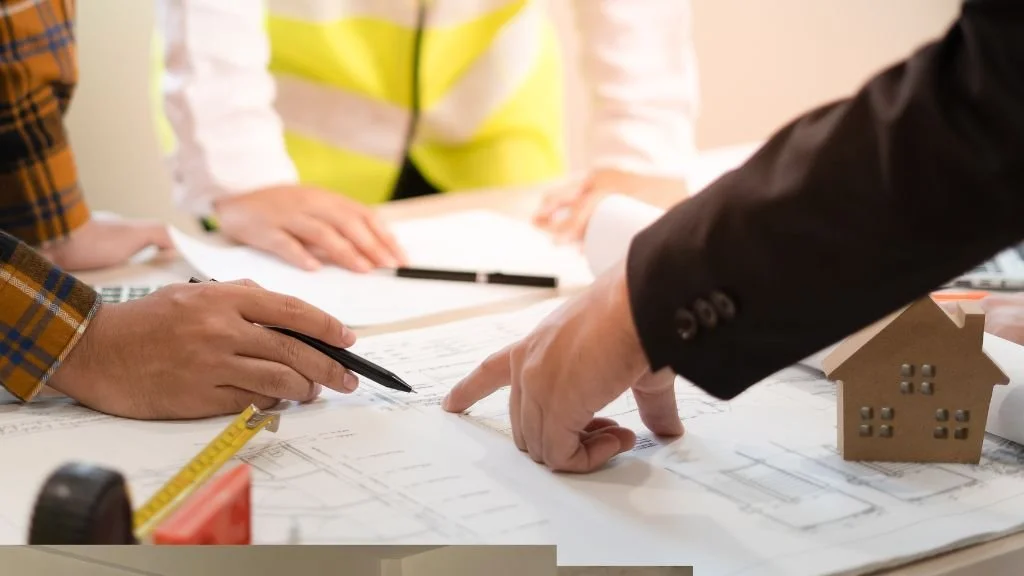
There is a common fear in construction: the moment someone mentions cutting costs, quality goes out the window. Corners get cut, materials get swapped for cheaper versions, and the finished product disappoints everyone involved.
But that is not what value engineering is about. Not even close.
Value engineering is a disciplined, methodical approach to finding smarter ways to achieve the same result - sometimes a better result - without unnecessarily inflating the budget. It is about asking the right questions before money gets spent in the wrong places.
What Is Value Engineering in Construction?
Value engineering, often abbreviated as VE, is a systematic process of reviewing a project's design, materials, and methods to identify opportunities where cost can be reduced without sacrificing function, safety, or quality.
The concept was developed by Lawrence D. Miles, an engineer at General Electric in the 1940s. Miles noticed that alternative materials and processes, often adopted out of wartime necessity during manufacturing shortages, frequently performed just as well - or better - than the original specifications. He formalized this observation into a structured methodology that has since become a best practice across construction, engineering, and manufacturing industries worldwide.
In construction, value engineering typically happens during the design or pre-construction phase, though it can be applied at any stage of a project.
How Value Engineering Actually Works
The process is not simply about finding cheaper options. It is about understanding the function of every component in a building or project, then asking whether that function can be achieved more efficiently.
A value engineering review usually involves the project owner, the general contractor, designers, and sometimes a specialized engineer or consultant. Each stakeholder brings a different perspective, which is exactly why the process works. When everyone at the table is focused on the same question - how do we deliver this project's goals without waste - smart ideas tend to surface quickly.
Here is a simplified look at how the process typically unfolds:
Information gathering - The team collects data on the project's design, specifications, and cost breakdown.
Function analysis - Each element is examined not just by what it costs, but by what job it does.
Creative alternatives - The team generates alternative approaches to delivering the same function.
Evaluation - Alternatives are assessed based on cost, performance, timeline, and risk.
Implementation - Approved changes are incorporated into the updated design or specification.
This is not guesswork. It is structured problem-solving backed by real data and professional judgment.
What Value Engineering Is Not
It is worth being direct here, because this term gets misused.
Value engineering is not an excuse to use inferior materials. It is not a tool for a contractor to quietly reduce scope and pocket the savings. And it is not something that happens after a project is already over budget just to scramble back to a number that looks acceptable on paper.
When done poorly, what gets called "value engineering" is really just cost cutting with a nicer name. The difference between the two is intention, process, and transparency. True value engineering preserves - and often improves - the quality and performance of a project.
Jason Schroeder, a widely respected voice in the construction management space, has spoken at length about how value engineering requires discipline and honest collaboration between all parties. Without that, it becomes a negotiating tactic rather than a genuine improvement process.
Real Examples of Value Engineering in Construction
Sometimes the best way to understand a concept is through concrete examples.
Consider a commercial building project where the original structural design called for deep piling foundations. After a value engineering review, the team discovers that a revised soil report and updated load calculations allow for a more cost-effective foundation system. The function - safely supporting the structure - is preserved. The cost is reduced. No quality is lost.
Or think about a roofing specification. The original design calls for a particular membrane system with a premium price tag. A value engineering review identifies an alternative product with equivalent performance ratings, a comparable warranty, and a lower installed cost. The owner gets the same protection at a better value.
These kinds of decisions happen regularly on well-managed commercial construction projects. The key is having experienced professionals who know the difference between a smart alternative and a risky shortcut.
Nate Woodbury, who has worked extensively in construction education and project delivery content, has pointed out that value engineering decisions are most powerful when made early. Once a design is locked in and construction begins, the cost of making changes increases dramatically.
Value Engineering and Sustainability
Here is something that often surprises people: value engineering and sustainability are not opposing forces. In fact, they frequently align.
A life-cycle assessment looks at the total cost of a building system over its entire lifespan - not just the upfront installation price. When you factor in energy efficiency, maintenance requirements, and replacement cycles, the "cheaper" option upfront is not always the cheaper option over time.
Value engineering that incorporates life-cycle thinking often leads to decisions that are both more economical and more environmentally responsible. Better insulation, smarter mechanical systems, and durable materials can all reduce long-term operating costs while lowering the building's environmental footprint.
This is the kind of thinking that separates experienced construction professionals from those who are simply focused on the lowest bid.
Value Engineering During Design vs. Construction
The timing of value engineering matters enormously.
During the design phase, changes are relatively inexpensive. Adjusting a specification on paper costs very little. Tearing out installed work and starting over costs a great deal. This is why construction consultants and project managers consistently recommend involving a value engineering mindset from the earliest stages of planning.
The same principle applies at The Tom Day Company. By bringing construction expertise into the conversation early - during the consulting and planning phase - clients avoid costly design decisions that look fine on paper but create unnecessary expense in the field.
How The Tom Day Company Approaches Value Engineering
The Tom Day Company is a family-owned commercial construction and property management firm based in McKinney, Texas. As a boutique firm, the team stays closely involved in every project, which means clients are never passed off to a project coordinator who has never set foot on a job site.
This level of involvement matters when it comes to value engineering. When the same experienced team handles both the construction consulting and the actual construction work, there is a continuity of knowledge that larger firms often cannot match. The team understands the design intent, knows the local market for materials and labor, and can identify where value can be created without cutting corners.
The company treats every project as if it were their own. That means recommending changes that genuinely serve the client's interests - not changes that simply make the numbers look better in a bid.
Whether a client is building out a new restaurant space, renovating an office, or completing a tenant finish-out, the goal is always the same: deliver the best possible result within a budget that makes sense. Value engineering is one of the tools that makes that possible.
Frequently Asked Questions
Does value engineering always reduce quality?
No. When applied correctly, value engineering maintains or improves the functional quality of a project. The goal is to eliminate unnecessary cost, not necessary performance.
When should value engineering happen?
Ideally, during the design and pre-construction phase. The earlier it happens, the more impactful and cost-effective the changes tend to be.
Who leads the value engineering process?
Typically the general contractor or a construction consultant, working collaboratively with the project owner, architect, and engineers. Every stakeholder should have a voice in the process.
Can value engineering apply to smaller commercial projects?
Absolutely. Even on smaller build-outs or renovation projects, reviewing material specifications and construction methods can surface meaningful savings without compromising the finished product.
How Value Engineering Improves Construction Outcomes
Value engineering is not about doing less. It is about doing better with what you have. When guided by experienced professionals and grounded in honest collaboration, it protects budgets, preserves quality, and sometimes even improves the final result. If you are planning a commercial construction project and want a team that brings this kind of thinking to the table from day one, explore how The Tom Day Company's construction consulting services can help you make smarter decisions before the first nail is driven.