
What Is Design-Build Construction? One Contract, One Team
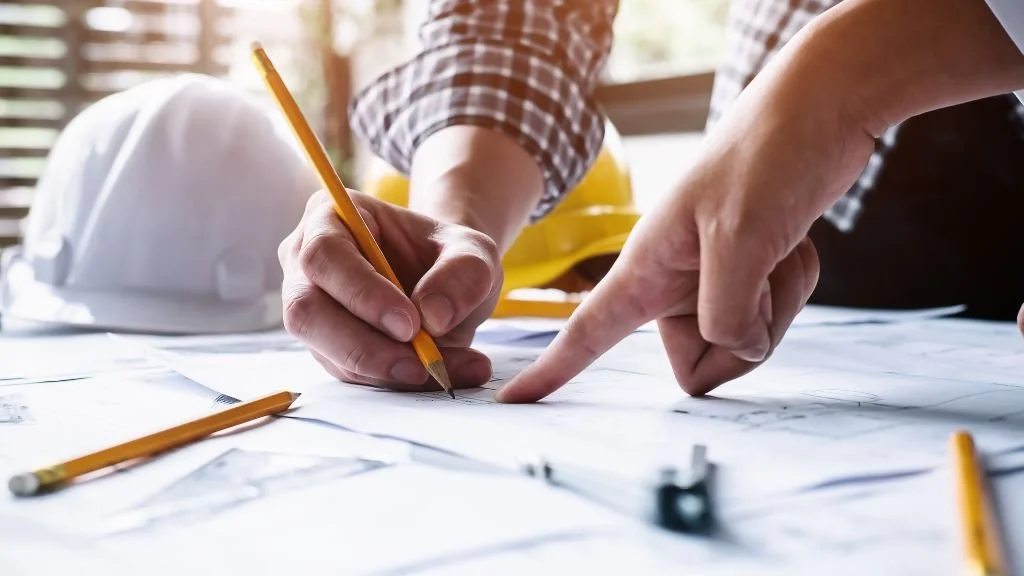
If you've ever tried to coordinate between an architect, a general contractor, and a handful of subcontractors all pulling in different directions, you already understand the problem that design-build construction was created to solve.
Design-build is a project delivery method where a single entity handles both the design and construction of a project under one contract. Instead of hiring an architect separately and then putting the project out for bid, you bring in one team that manages the whole process from concept to completion.
It sounds simple, but the implications are significant - especially if you're planning a commercial project and want more control over your budget, timeline, and outcomes.
How Design Build Differs from Traditional Construction
To understand design-build, it helps to compare it to the most common alternative: design-bid-build.
In a traditional design-bid-build approach, the project owner first hires an architect to develop the full design. Once the drawings are complete, the project goes out for bid. A general contractor is selected, often based on price, and then brings in subcontractors to execute the work. The architect and the contractor are separate entities with separate contracts and sometimes competing interests.
This separation is where things can get complicated. The architect's job is to design what the owner wants. The contractor's job is to build it as efficiently as possible. When those two goals don't align, the owner ends up in the middle managing disputes, change orders, and cost overruns.
Design-build removes that gap. The design and construction teams are either part of the same organization or operating as a joint venture under a single construction contract. They communicate internally rather than across adversarial contract lines.
The One-Contract Advantage
The core idea behind design-build is accountability. When one team holds one contract, there's no finger-pointing when something goes wrong.
In a design-bid-build setup, if a design error causes a construction problem, the owner may find themselves caught between the architect's professional liability and the contractor's refusal to absorb the cost. That's a frustrating place to be, especially when your money is on the line.
Under design-build, that problem largely disappears. The same team that drew the plans is responsible for building them. If something in the design doesn't work in the field, the team solves it internally. The owner isn't managing a dispute - they're receiving a solution.
This is a big reason why the Design-Build Institute of America has documented that design-build consistently outperforms other project delivery methods on speed, cost performance, and overall project success.
How the Design-Build Process Works
The process typically unfolds in a few clear phases, though every project is different.
Phase 1: Owner outlines the concept and goals. Before design begins, the owner defines what they need - size, function, budget, and timeline. This is sometimes called a request for proposal or RFP stage, where owners may solicit design-build teams to respond with preliminary ideas and fee structures.
Phase 2: Preliminary design and pricing. The design-build team develops early design documents and provides a preliminary cost estimate. Because the engineer, architect, and contractor are working together from the start, that price is grounded in real-world construction knowledge - not just design theory.
Phase 3: Design development and procurement. As the design is refined, the team handles procurement for materials and subcontractors in parallel. This overlap is one of the biggest reasons design-build projects are completed faster than traditional approaches.
Phase 4: Construction and closeout. The team builds the project according to the agreed design and contract. Changes are handled collaboratively, and the owner has a single point of contact throughout.
Why Speed and Budget Control Matter
One of the most consistent findings in research on project delivery methods is that design-build is faster. A study often cited by the Design-Build Institute of America found that design-build projects are delivered significantly faster than design-bid-build projects of comparable scope.
Why? Because design and construction overlap. While one part of the project is being finalized on paper, another part may already be under construction. That compression of the schedule saves time and, usually, money.
Budget performance is equally important. Because the design-build team includes construction expertise from day one, the design is built around what things actually cost. There's less risk of a beautiful design coming back from the architect with a price tag that blows the budget.
In the private sector especially, where return on investment is tied to how quickly a building is operational, these advantages translate directly to financial outcomes.
Design-Build and Commercial Projects
Design-build has become increasingly common in commercial construction, including office buildings, retail spaces, restaurants, and infrastructure projects.
In the public sector, legislation like SAFETEA-LU helped open the door for design-build on transportation and infrastructure projects by giving public agencies the authority to use alternative project delivery methods. That legislative shift reflected a broader recognition that design-build can deliver better outcomes for complex projects.
In commercial and private sector construction, the approach has been widely adopted because it aligns incentives between design and construction, reduces risk for the owner, and creates a more collaborative environment for problem-solving.
The American Institute of Architects has acknowledged the rise of design-build as a primary delivery method and has developed contract documents and guidance to support architects operating in that model.
What to Look for in a Design-Build Team
Not every contractor who says they offer design-build actually delivers on the promise. The real value of design-build comes from genuine integration between design and construction - not just a contractor who hires an architect to keep things in-house.
Here are a few things worth paying attention to:
Single-point responsibility: Can one person or team answer every question about your project, from design to construction to maintenance planning? If the answer is yes, you're looking at real integration.
Transparent pricing: A good design-build team will give you a realistic fee structure early on, based on actual cost data - not a lowball number to win the job.
Communication structure: Ask how decisions are made and how changes are handled. In a well-run design-build team, communication flows internally, and the owner receives clear, consolidated updates.
Track record: Look for projects similar to yours in scope and use. A team with experience in commercial construction will bring relevant knowledge to your project that a residential-focused team may not.
Construction consulting capability: The best design-build teams don't just execute - they advise. If a team can provide construction consulting before a single drawing is made, that's a sign they understand the full picture.
Common Misconceptions About Design-Build
It means I lose control of the design.
This is probably the most common concern, and it's understandable. But design build doesn't mean you hand over creative control. It means you have one team translating your vision into both a design and a buildable reality. Good design-build teams involve the owner at every major decision point.
It's only for large projects.
Design-build works at a range of scales. Commercial tenant finish-outs, small office renovations, and ground-up restaurant builds can all benefit from the integrated approach, particularly when schedule and budget predictability matter.
The price is fixed, so there's no flexibility.
Contract structures in design-build vary. Some are lump-sum, some are cost-plus with a fee, and some use a guaranteed maximum price model. The right structure depends on the project and the owner's risk tolerance. A good design-build partner will walk you through the options before you commit.
Is Design-Build Right for Your Project?
Design-build tends to work best when the owner values speed, wants a single point of accountability, and is open to a collaborative process where design and construction decisions are made together rather than in sequence.
It may be less ideal when the owner has a very specific, fully developed design they want to bid competitively - though even then, a construction consulting engagement can add value before procurement begins.
If you're considering a commercial construction project in McKinney, TX, and you're not sure which project delivery method makes sense, it's worth having a direct conversation with a contractor who understands both approaches and can give you honest guidance based on your specific situation.
Why Design-Build Construction Can Be the Right Fit
Design-build construction simplifies the process by putting design and construction under one contract and one team. It reduces risk, improves communication, and typically delivers faster results at more predictable costs. For commercial property owners and developers, those are meaningful advantages.
If you're planning a commercial project and want to understand how this approach could work for you, explore our commercial construction services or call The Tom Day Company at 214-504-1450 to start the conversation.