
What Is Industrial Property Management?
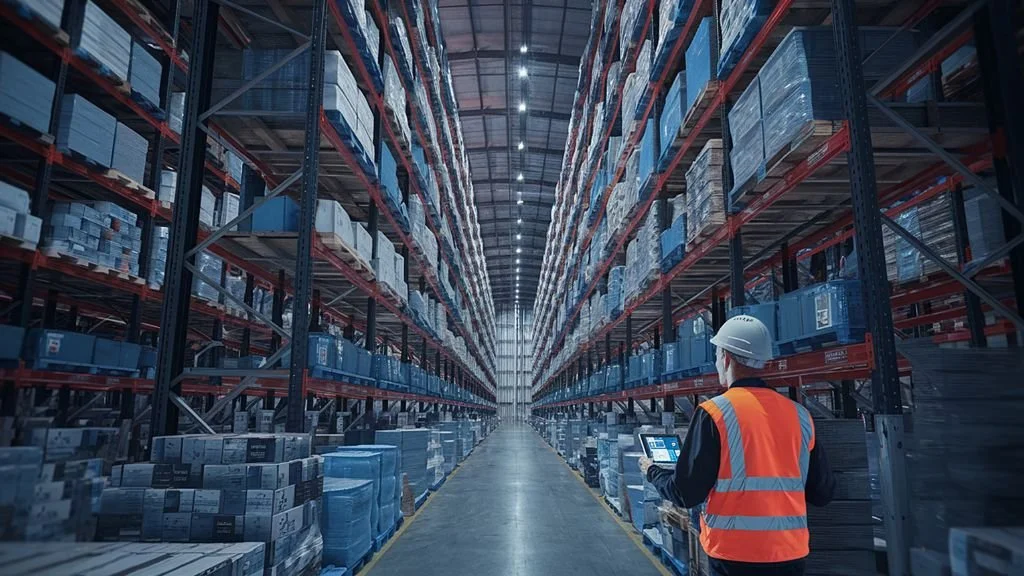
If you have ever driven past a massive distribution center or a sprawling warehouse complex and wondered who keeps everything running behind the scenes, you are not alone. Industrial property management is one of those topics that does not get nearly enough attention, even though it plays a massive role in how goods move, how businesses operate, and how real estate investments perform.
Let's break it down in plain terms.
What Is Industrial Property Management?
Industrial property management is the day-to-day oversight and long-term stewardship of industrial real estate assets. This includes warehouses, distribution centers, manufacturing facilities, flex spaces, and similar properties. Unlike office or retail property management, managing industrial properties comes with its own set of challenges - think loading docks, heavy vehicle traffic, compliance regulations, and tenants whose operations directly impact the physical condition of the space.
At its core, it is about making sure a property functions the way it was built to function, stays compliant with applicable regulations, and continues to generate returns for the property owner.
Why Industrial Properties Need Dedicated Management
A warehouse is not just four walls and a roof. It is an active piece of infrastructure. Trucks come and go. Forklifts move goods across concrete floors. Electrical systems power everything from lighting to refrigeration units. Plumbing handles industrial-grade demands.
Without professional management in place, small issues become expensive problems fast. A cracked loading dock seal, a failing HVAC unit, or a leaking roof can halt an entire operation and put a leasehold estate at risk. That is why industrial tenants and property owners both benefit from having experienced professionals watching over these assets.
Key Responsibilities in Industrial Property Management
Lease Administration and Tenant Relations
Managing the lease is one of the most important functions of industrial property management. This means tracking lease terms, rent escalations, renewal options, and any tenant improvement allowances tied to the leasehold estate. Industrial tenants often have longer lease terms than retail or office tenants, which means the relationship between landlord and tenant must be carefully maintained over years - sometimes decades.
Clear communication matters a lot here. A good property manager keeps both sides informed and prevents small misunderstandings from turning into costly disputes.
Maintenance and Preventive Care
Industrial facilities take a beating. The maintenance demands of a warehouse are nothing like those of an office park. Floors crack under heavy loads. Dock levelers wear down. Lighting systems in large facilities need regular inspection to stay safe and efficient.
Preventive maintenance is not just a budget line item - it is a risk management strategy. Catching a roof issue in spring is significantly less costly than dealing with water damage after a summer storm. A proactive maintenance plan keeps the property in good shape, protects the investment, and helps tenants stay operational without interruption.
Safety and Regulatory Compliance
Safety is non-negotiable in industrial settings. These properties are subject to a wide range of regulations tied to fire codes, environmental standards, structural requirements, and public utility access. When a facility houses manufacturing operations or stores hazardous goods, the compliance stakes are even higher.
A qualified property management company stays on top of local regulations and environmental, social, and governance standards so that property owners are not caught off guard during inspections. They also coordinate with utility providers to ensure that power, water, and other essential services meet tenants' operational needs.
Financial Oversight and Budgeting
Running an industrial property like a business means treating the budget seriously. Property managers handle operating expenses, collect rent, manage vendor contracts, and produce financial reports that give owners a clear picture of how their asset is performing.
Good financial management also involves planning ahead. Capital improvements, deferred maintenance, and major system replacements all need to be factored into a long-term budget. Without that planning, a property owner can find themselves facing a large, unexpected expense with no financial cushion.
What Makes Industrial Properties Different from Other Commercial Real Estate
The differences between industrial and other commercial property types are significant. Retail properties focus on storefront visibility and foot traffic. Office properties deal with HVAC comfort, interior finishes, and parking ratios. Industrial properties are built around logistics, vehicle access, structural load capacity, and operational efficiency.
Think about the role trucks play. A retail tenant needs a service entrance for occasional deliveries. An industrial tenant may need multiple truck bays operating around the clock. The management of that traffic - from vehicle routing to dock scheduling - is an operational consideration that most other property types simply do not have.
Space also functions differently in industrial real estate. Clear heights, column spacing, floor flatness, and power availability all determine whether a particular space can support a tenant's operations. Managing these technical requirements is part of the job.
The Role of Sustainability in Industrial Property Management
Sustainability is becoming a more prominent concern in industrial real estate management. Older warehouses and manufacturing facilities are not always energy-efficient, but upgrades to lighting systems, insulation, and HVAC can meaningfully reduce operating costs and environmental impact.
From an environmental, social, and governance perspective, more tenants and investors are prioritizing properties that demonstrate a commitment to responsible operations. Industrial property managers who understand this shift can help owners position their assets for long-term value in a market that increasingly rewards sustainable practices tied to the natural environment.
Why Experience in Construction Matters for Industrial Property Management
One of the things that separates a great industrial property manager from an average one is understanding how buildings are actually built. When a property manager has a background in commercial construction, they can evaluate maintenance issues more accurately, communicate better with contractors, and catch potential problems that someone without construction experience might miss.
This is where the Tom Day Company brings something genuinely different to the table. As a firm with over three decades of experience in both commercial construction and property management, the team understands industrial properties from the ground up. That combination of construction knowledge and management expertise means that property owners get a more complete picture of what their asset needs - and why.
What Tenants Should Expect from Good Industrial Property Management
Tenants renting industrial space should expect more than just a lease and a key. They should expect responsive maintenance, clear communication about any planned work, reliable access to all utilities, and a property manager who treats their operation with respect.
When a tenant's business depends on the condition of the property - and in industrial real estate, it almost always does - downtime is not just inconvenient. It can affect sales, logistics timelines, and customer relationships. A professional property management company understands this and takes its responsibility seriously.
Managing Industrial Properties for Long-Term Performance
Industrial property management is not just about collecting rent and scheduling repairs. It is about treating a warehouse or manufacturing facility as the business asset it truly is. From lease administration and maintenance to safety compliance and budget planning, the work is detailed and the stakes are real. If you own or are considering investing in industrial real estate and want a management partner who understands both the building and the business side, explore what professional property management looks like with a team that has been doing this work for over 30 years. Call The Tom Day Company at 214-504-1450 to start the conversation.